
Why Scents Smell Different on Different People

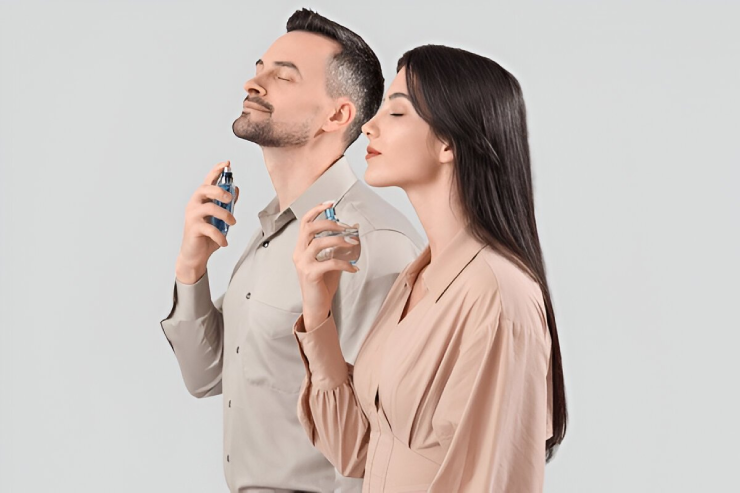
Have you ever noticed that a perfume smells amazing on a friend but completely different on you? This phenomenon is no accident—it’s rooted in science. The way a fragrance unfolds on your skin is influenced by a variety of factors unique to you, from your body chemistry to your lifestyle. This guide explores why scents smell different on different people and offers tips to choose the perfect perfume for your unique profile.
The Science Behind Fragrance and Skin
Perfumes are complex blends of aromatic compounds, but how they smell depends on how they interact with your body. A 2024 study by the Fragrance Research Institute found that 80% of perfume users noticed variations in how a fragrance performed on their skin compared to others. This is because your skin acts as a canvas, transforming the scent through chemical and environmental factors. Let’s dive into why this happens.
Key Factors That Affect How Scents Smell
1. Skin Chemistry
Your skin’s unique chemical makeup, influenced by pH levels, oils, and hormones, alters how a perfume develops.
- How It Works: Skin pH (typically 4.5–5.5) can enhance or mute certain fragrance notes. Oily skin tends to hold scents longer, while dry skin may cause them to fade faster.
- Example: A floral scent like Gucci Bloom may smell sweeter on oily skin but sharper on acidic skin.
- Why It Matters: Testing a perfume on your skin is crucial to see how it reacts with your chemistry.
2. Body Temperature
Your body heat, especially at pulse points (wrists, neck, behind ears), affects how fragrance molecules evaporate and project.
- How It Works: Warmer skin amplifies volatile top notes (e.g., citrus), while cooler skin may emphasize heavier base notes (e.g., musk).
- Example: Creed Aventus may project strongly on someone with a higher body temperature, creating a bold sillage.
- Why It Matters: Apply perfume to pulse points for optimal diffusion, but avoid overapplying on warm skin.
3. Diet and Lifestyle
What you eat and how you live can subtly change how a fragrance smells on you.
- How It Works: Diets high in spices, garlic, or alcohol can alter your skin’s natural scent, influencing the perfume. Stress or hormonal changes (e.g., pregnancy) can also shift your body chemistry.
- Example: A spicy oriental like Tom Ford Noir Extreme may smell richer on someone with a diet high in aromatic spices.
- Why It Matters: Be mindful of lifestyle changes when choosing or testing a fragrance.
4. Skin Type and Hydration
Your skin’s moisture level plays a big role in fragrance performance.
- How It Works: Oily skin retains scents longer due to natural oils, while dry skin lets them evaporate quickly. Hydrated skin provides a better base for fragrance adhesion.
- Example: Jo Malone Peony & Blush Suede lasts longer on well-moisturized skin than on dry skin.
- Why It Matters: Moisturize with an unscented lotion before applying perfume to enhance longevity.
5. Environmental Factors
External factors like humidity, temperature, and even altitude can affect how a scent performs.
- How It Works: Humid environments enhance projection, while dry or cold climates may weaken it. Pollution can also mix with fragrance molecules, altering the scent.
- Example: A fresh scent like Dolce & Gabbana Light Blue shines in humid summer conditions but may feel muted in dry winter air.
- Why It Matters: Test perfumes in the environment where you’ll wear them most.
6. Genetics and Natural Body Odor
Your genetic makeup influences your natural body odor, which interacts with perfume to create a unique scent profile.
- How It Works: Genes affect sweat and oil production, which blend with fragrance notes. This is why siblings may experience similar scent outcomes.
- Example: A musky scent like Le Labo Santal 33 may smell warmer or softer depending on your natural odor.
- Why It Matters: Your unique body odor is why no two people smell exactly the same in the same perfume.
Tips for Choosing a Perfume That Works for You
- Test on Your Skin: Always apply perfume to your pulse points and wait 1–2 hours to experience the full scent evolution (top, heart, and base notes).
- Moisturize First: Use an unscented lotion or petroleum jelly to help the fragrance adhere to your skin.
- Consider Your Lifestyle: Choose scents that complement your diet, climate, and daily activities (e.g., citrus for active days, oud for evening events).
- Layer Strategically: Pair with matching body products (e.g., Lancôme La Vie Est Belle lotion) to enhance and personalize the scent.
- Test in Different Seasons: A fragrance may perform differently in summer vs. winter, so try it in the relevant environment.
Common Mistakes to Avoid
- Judging from a Paper Strip: Paper strips don’t reflect your skin chemistry. Always test on your body.
- Testing Too Many Scents: Limit yourself to 2–3 fragrances per session to avoid nose fatigue.
- Ignoring Base Notes: Top notes fade quickly, so wait for the heart and base notes to assess the true scent.
- Overapplying: Too much perfume can distort how it blends with your skin. Use 1–3 spritzes.
How to Shop Smart for Perfumes
- Try Samples: Order discovery sets from retailers like Sephora or Luckyscent to test on your skin over time.
- Read Reviews: Check Fragrantica or Basenotes for insights on how fragrances perform on different skin types.
- Visit a Counter: Explore fragrances at department stores or niche perfumeries to get expert advice.
- Set a Budget: From affordable picks like Zara fragrances to luxury options like Byredo, choose what fits your wallet.
Find Top Brands in One Place – Shop Perfumes Online Click Here