
The Science Behind Fragrance: How Perfumes Are Made

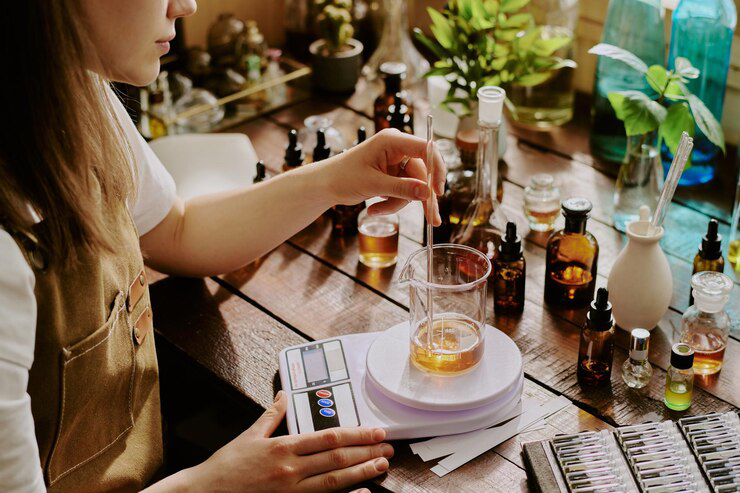
Perfume is more than a pleasant scent; it’s a blend of art, chemistry, and craftsmanship. From the fields where raw ingredients are harvested to the bottles on your shelf, the process of creating a fragrance is a fascinating journey. This guide dives into the science behind perfume-making, exploring how raw materials are transformed into the scents we love, and why understanding this process can enhance your appreciation of fragrances.
The Art and Science of Perfume Creation
Perfume-making combines creativity with precise scientific techniques. A 2024 report by the Fragrance Creators Association notes that the global perfume industry invests over $1.2 billion annually in research and development to perfect scent formulations. The process involves extracting aromatic compounds, blending them in precise ratios, and stabilizing them for long-lasting wear. Let’s break down how perfumes are made, step by step.
Step 1: Sourcing Raw Materials
Perfumes start with raw materials, which fall into two categories: natural and synthetic.
- Natural Ingredients: Derived from plants, flowers, fruits, and resins. Common examples include rose petals, jasmine flowers, citrus zest, and sandalwood.
- Extraction Methods:
- Distillation: Steam is used to extract essential oils (e.g., lavender oil).
- Expression: Pressing citrus peels to release oils (e.g., bergamot).
- Solvent Extraction: Using solvents to capture delicate floral scents (e.g., tuberose absolute).
- Fun Fact: It takes about 800,000 jasmine flowers to produce just 1 kg of jasmine absolute, making it a costly ingredient.
- Extraction Methods:
- Synthetic Ingredients: Created in labs to mimic natural scents or invent new ones. Synthetics like musks or aldehydes (used in Chanel No. 5) enhance longevity and affordability.
- Why It Matters: Natural ingredients provide authenticity, while synthetics ensure consistency and sustainability, as some plants are scarce or difficult to harvest.
Step 2: Crafting the Fragrance Formula
Once raw materials are sourced, a perfumer (often called a “nose”) blends them to create a unique scent. This process is both artistic and scientific:
- The Fragrance Pyramid:
- Top Notes (5–15% of the blend): Light, volatile scents like citrus or herbs that you smell first and fade within minutes.
- Heart Notes (30–40%): The core of the perfume, often floral or spicy, lasting 2–4 hours.
- Base Notes (45–55%): Rich, long-lasting scents like woods or musks that linger for 6–8 hours.
- Blending: Perfumers mix dozens (sometimes hundreds) of ingredients in precise ratios. For example, Creed Aventus combines pineapple, birch, and ambergris for its iconic scent.
- Science at Work: Gas chromatography and mass spectrometry are used to analyze scent molecules, ensuring consistency across batches.
- Why It Matters: The balance of notes creates a perfume’s character, with science ensuring the blend is harmonious and stable.
Step 3: Dilution and Stabilization
Pure perfume oil (called the “concentrate”) is too potent for direct use. It’s diluted with a carrier, usually alcohol and water, to create wearable fragrances:
- Concentration Levels:
- Eau de Cologne: 2–5% oil, lasts 2–3 hours.
- Eau de Toilette: 5–15% oil, lasts 4–6 hours.
- Eau de Parfum: 15–20% oil, lasts 6–8+ hours.
- Parfum: 20–30% oil, lasts 8–12 hours.
- Stabilizers: Fixatives like synthetic musks or natural resins slow evaporation, making the scent last longer.
- Aging: Some perfumes are aged for weeks or months to let the ingredients meld, enhancing depth (e.g., Guerlain’s Shalimar).
- Why It Matters: Dilution and stabilization ensure the fragrance is safe for skin and performs well throughout the day.
Step 4: Testing and Quality Control
Before bottling, perfumes undergo rigorous testing:
- Stability Tests: Ensure the scent remains consistent under heat, light, or humidity.
- Safety Tests: Confirm the formula is non-irritating and complies with regulations (e.g., International Fragrance Association standards).
- Scent Consistency: Lab tools analyze the chemical makeup to match the perfumer’s vision across batches.
- Why It Matters: Testing guarantees a high-quality, safe product that delivers the intended scent experience.
Step 5: Bottling and Packaging
Once approved, the perfume is bottled, often in beautifully designed glass flacons to reflect the brand’s aesthetic. The liquid is filtered to remove impurities, and bottles are sealed to prevent oxidation. Packaging is eco-conscious in many modern brands, with 65% of 2024’s new releases using recyclable materials, per Scent Trends.
- Why It Matters: Proper bottling preserves the fragrance’s integrity, while packaging enhances its appeal.
How Science Enhances Perfume Appreciation
Understanding the science behind perfumes helps you choose scents wisely:
- Know Your Notes: Check fragrance descriptions (e.g., on Fragrantica) to identify top, heart, and base notes that suit your taste.
- Test Properly: Apply perfume to your skin and wait 1–2 hours to experience its full evolution, as body chemistry affects the scent.
- Choose the Right Concentration: Opt for Eau de Parfum or Parfum for longer wear, like Tom Ford Black Orchid or Dior J’adore.
- Store Smart: Keep perfumes in a cool, dark place to maintain their chemical stability.
Common Mistakes to Avoid
- Judging Too Quickly: Don’t base your opinion on the initial spritz; let the heart and base notes develop.
- Overapplying: Too much perfume can overwhelm. Use 1–3 spritzes for best results.
- Improper Storage: Avoid keeping bottles in bathrooms, as heat and humidity degrade the scent.
- Ignoring Synthetics: Synthetic notes aren’t inferior; they often enhance longevity and creativity.
How to Explore Perfumes
- Try Samples: Order discovery sets from retailers like Sephora or Luckyscent to test fragrances.
- Read Reviews: Check Fragrantica, Basenotes, or Reddit’s r/fragrance for insights on scent performance.
- Visit Perfumeries: Explore niche brands like Byredo or Amouage at specialty stores.
- Set a Budget: Perfumes range from affordable (e.g., Zara fragrances) to luxury (e.g., Baccarat Rouge 540).